


In the ever-evolving world of digital marketing, micro-influencers have emerged as a powerful tool for brands looking to connect with niche audiences. With their high engagement rates and authentic connections, these creators offer a unique opportunity for businesses to build trust and drive conversions. This article explores the key strategies for mastering micro niche marketing as an influencer, ensuring your efforts are both effective and impactful.
Understanding the Power of Micro-Influencers
Micro-influencers are social media creators with between 10,000 and 100,000 followers. Unlike macro or mega-influencers, they often have a more engaged and loyal audience. Their content resonates deeply with their followers because it feels personal and authentic. According to recent studies, micro-influencers boast higher engagement rates, with some averaging around 1.81% across platforms. This makes them ideal partners for brands aiming to achieve specific goals such as audience conversion, brand awareness, or engaging with new niche markets.
Key Benefits of Working with Micro-Influencers
- Cost-Effective: Micro-influencers typically charge less than their larger counterparts, making them a budget-friendly option for brands.
- Higher Engagement Rates: Their smaller, more engaged audience means that their posts are more likely to be interacted with, leading to better performance.
- Targeted Reach: They often cater to specific niches, allowing brands to connect with audiences that may not be reached through traditional marketing methods.
- Authenticity: The relationship between micro-influencers and their followers is built on trust, making their recommendations more credible.
Building Your Micro-Influencer Marketing Strategy Foundation
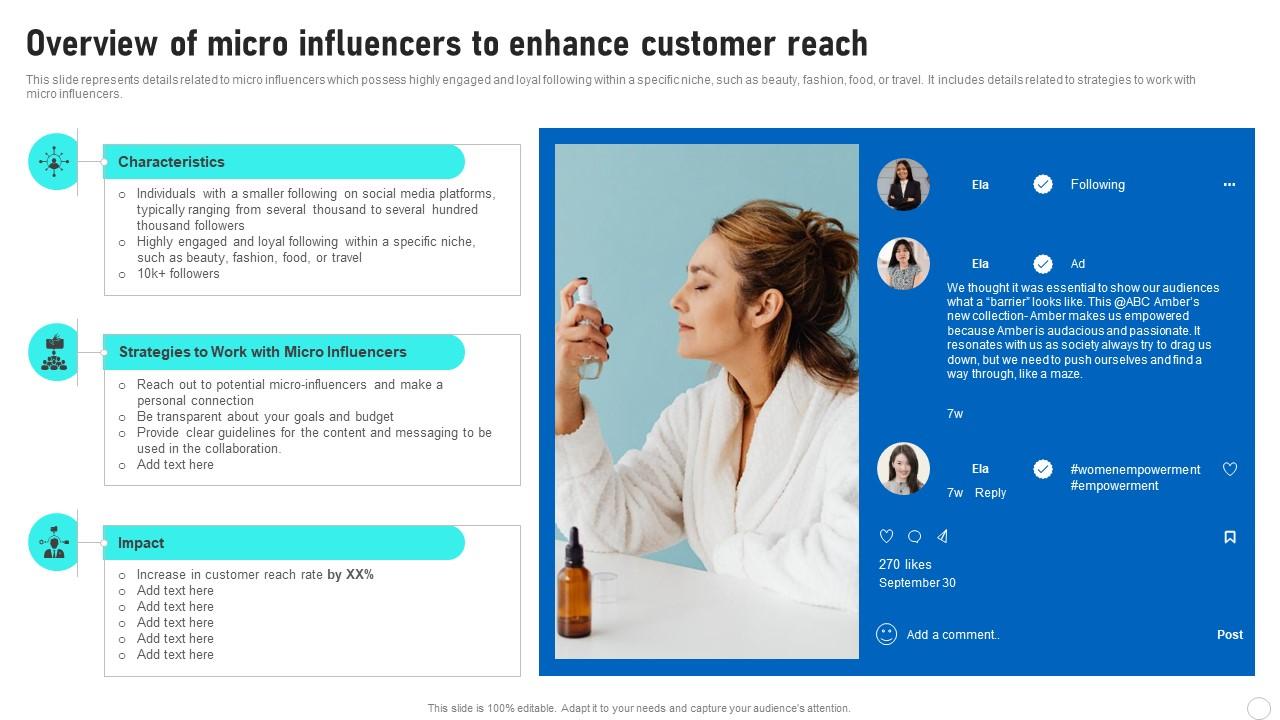
Creating a successful micro-influencer campaign starts with setting clear, measurable goals. Instead of vague objectives like “brand awareness,” define what success looks like for your campaign. For example, aim for a 20% increase in website traffic from social channels or 150 pieces of user-generated content featuring your products.
Focus on One Primary Goal per Campaign
To maximize effectiveness, focus on one primary goal per campaign. Common objectives include:
- Niche Market Penetration: Reaching highly engaged communities that traditional marketing might miss.
- Authentic Content Creation: Generating genuine user-generated content that resonates with your target demographic.
- Product Education: Having trusted voices explain complex products to their engaged audiences.
- Local Market Expansion: Partnering with community-focused creators to establish presence in new geographic areas.
Understanding Your Audience Through Data

Micro-influencers excel at reaching audiences that mainstream marketing often misses. Their followers are highly engaged niche communities who value authentic recommendations over polished advertising. To leverage this, start by analyzing your customer demographics and behaviors using social media analytics tools. Look beyond basic demographics to understand psychographics: What values drive their purchasing decisions? Which authentic voices do they already trust and engage with?
Align Values for Authentic Partnerships
Remember, value alignment is more important than follower count for micro-influencers. When a creator’s personal values, content style, and audience interests naturally complement your brand, the resulting partnerships feel genuine rather than transactional — and perform better as a result.
Before reaching out to potential partners, ensure your brand values are well-defined and consistently reflected across your marketing so that you can align with the right creators. A sustainable skincare brand, for example, should partner with creators who genuinely prioritize clean beauty, not just those posting occasional wellness content.
Finding and Vetting the Right Micro-Influencers
There are several ways to discover the right micro-influencers for your campaign. Try a mix of each of these methods:
- Hashtag Research: If your campaign targets video gamers who enjoy slow-paced, aesthetically pleasing games with low stakes and cute characters, for example, start by searching for #cozygaming and other related hashtags. See what creators are posting with these hashtags and which ones are generating the most social engagement.
- Competitor Analysis: Take a look at the influencers your competitors have partnered with and analyze the engagement on their campaigns. You might consider reaching out to the same influencers, or you could use their personas to find similar micro-influencers in the same niche.
- Influencer Management Tools: Specialized influencer management software can help categorize and filter influencers to match your campaign, offering suggestions based on real-time data from social channels.
- Influencer Agencies: These companies maintain expansive client rosters and can match you with the right influencers, for a fee. While most agencies work with higher-tier influencers, there’s a growing number of agencies that specialize in micro-influencers.
Once you find potential micro-influencers to partner with, look at the following criteria for each of them:
- Engagement Quality: Do followers leave thoughtful comments or just one-word reactions? Do they interact with promotions, contests, and live events?
- Audience Demographics: Look at where the influencer’s audience overlaps with your ideal customer.
- Content Alignment: Does the type of content and tone match your brand’s? For example, if you’re marketing running shoes, you’ll want to see the creator post about outdoor and fitness activities, not just unboxing in their bedroom.
- Red Flags: If the creator has a lot of fake followers or spammy engagement, you want to steer clear.
Creating Micro-Influencer Collaborations That Convert

It’s important to balance the micro-influencer’s creative freedom with brand objectives. The best collaborations feel natural to the creator’s audience while still achieving your campaign goals.
Craft Effective, Inspiring Briefs
Provide clear direction without stifling creativity. Include your campaign objectives, key messaging points, and any must-have elements (like product features to highlight or specific calls-to-action), but leave room for the creator’s authentic voice to shine through. Consider providing a mood board or examples of content that align with your brand, but don’t demand exact replicas.
Choose High-Performing Content Formats
Certain content types consistently drive engagement and conversions for micro-influencer campaigns:
- Genuine Product Reviews and Tutorials: These provide real value to followers while showcasing your product in action.
- “Day in the Life” Content: Naturally incorporates your product into daily routines, creating fun and engaging touchpoints.
- Unboxing and First Impression Videos: Capitalize on audiences’ curiosity while providing honest reactions.
- Before-and-After Content: Works particularly well for beauty, fitness, and home improvement brands, offering visual proof of your product’s effectiveness.
Emphasize Storytelling Over Selling
Rather than focusing on product features, encourage creators to share how your product fits into their lifestyle or solves a specific problem they face. Stories create emotional connections that drive purchasing decisions.
Measuring and Amplifying Micro-Influencer Success
Tracking the right social media metrics helps ensure you don’t drain your marketing budget without getting results. Measure both immediate campaign performance and long-term brand impact to get a full picture.
Essential KPIs for Micro-Influencer Campaigns
Focus on measurements that directly impact your business objectives. Track engagement rate, but also monitor reach within your target demographic and sentiment analysis of comments and mentions.
For conversion tracking, use unique promo codes, custom UTM parameters, or dedicated landing pages for each creator. This approach provides clear attribution and helps you identify which partnerships drive the strongest ROI.
Monitor brand mentions and hashtag performance to understand how influencer content sparks broader conversations about your brand. Track website traffic spikes that correlate with content publication dates, and measure email signups or app downloads when those align with your campaign goals.
Calculate Qualitative and Quantitative ROI
Quantitative ROI is straightforward: compare campaign costs against directly attributable sales, leads, or other conversion goals. But don’t overlook qualitative benefits like improved brand sentiment, increased share of voice in your niche, or valuable user-generated content.
Consider the long-term value of authentic UGC created through micro-influencer partnerships. This content often continues driving engagement and conversions long after the initial campaign ends.
Scaling Your Micro-Influencer Program
Once your micro-influencer strategy succeeds, you’ll want streamlined systems to manage multiple partnerships without losing the personal touch that makes these collaborations effective.
Streamline Outreach and Relationship Management
Develop templated outreach messages that can be personalized for each creator. Focus on building genuine relationships rather than transactional exchanges — you can maintain ongoing partnerships with top-performing micro-influencers, creating authentic brand advocates who regularly feature products.
Choose the Right Compensation Models
Many micro-influencers accept gifted products, but consider evolving compensation models for successful partnerships. Hybrid models can combine products with performance-based commissions or flat fees for guaranteed deliverables.
Ensure Legal Compliance
Always require proper FTC disclosure and provide clear guidelines about required hashtags like #ad or #sponsored. Include usage rights in your agreements to enable content repurposing across your owned channels.
Use social media management tools to coordinate campaigns at scale while maintaining the authentic, personal connections that make micro-influencer partnerships so effective for driving genuine engagement and long-term brand loyalty.
About the Author